Update time : 2026-01-26 Publisher:Zhengzhou Hanke Machinery
Quantitative weighing and vector weighing are two commonly used weighing technologies in industrial production. The core difference lies in the measurement logic and applicable scenarios. Zhengzhou Hanke Machinery has rich experience in the equipment research and application of these two technologies, and can meet the actual needs of different industries.
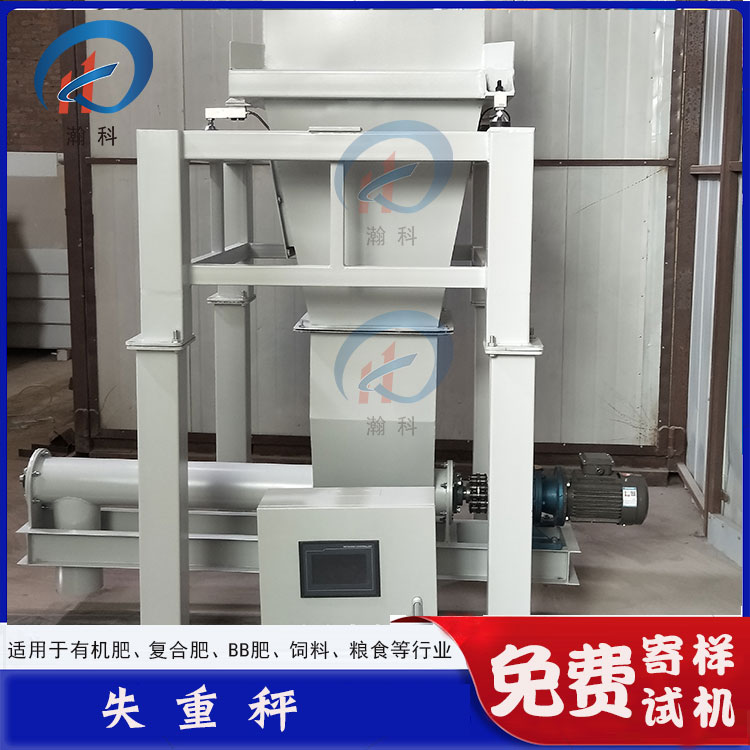
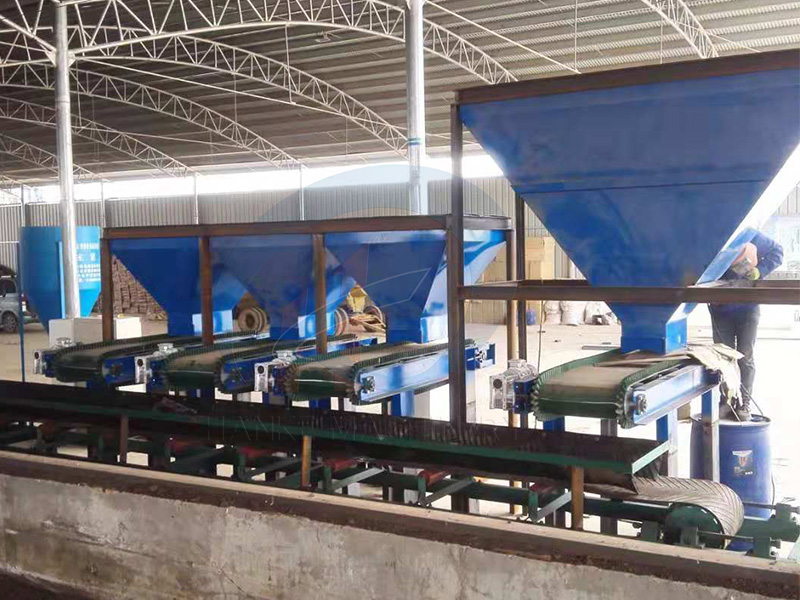
Quantitative weighing essentially means "precise control of quantity", focusing solely on the weight of the materials, regardless of the direction of force. It is like a precise "scale", capturing the weight of the materials through sensors and stopping the feeding or discharging when the preset value is reached. It is commonly used in packaging and ingredient addition processes in industries such as food and chemicals, for example, for quantitatively bagging granular materials. The core is to ensure that the weight of each batch of materials is consistent, meeting the requirements of standardized production.
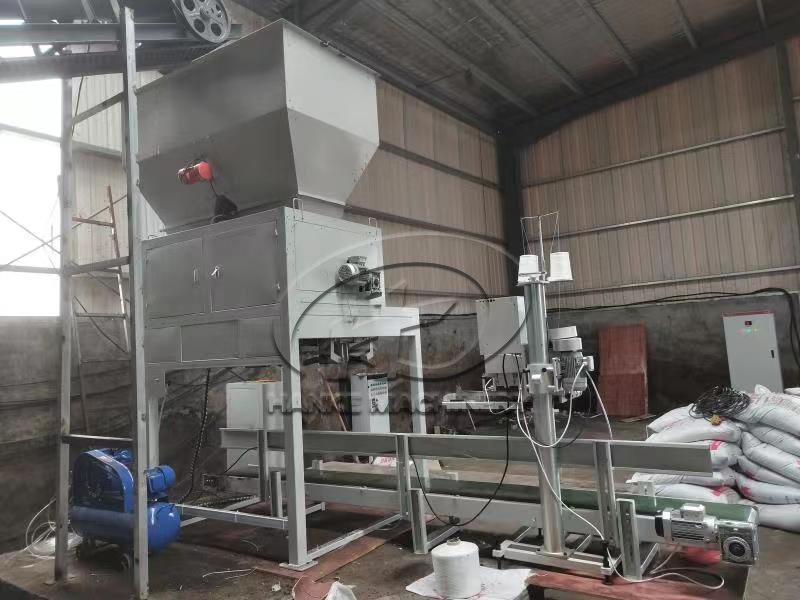
For instance, the quantitative packaging scale produced by Zhengzhou Hanke Machinery is widely used in industries such as grains, feed, and chemicals. It can control the packaging error of 10 kilograms of rice within two thousandths of a kilogram, ensuring that each bag has the same weight. The core of this technology lies in "precise measurement". Through sensors, it collects real-time weight data, combines automatic calibration and error correction functions, and adapts to the characteristics of different materials to achieve efficient and stable packaging operations.
Vector weighing places more emphasis on "force analysis". It not only measures the weight but also can capture the force conditions of the material in different directions. It relies on the principle of vector decomposition of force and collects data through multiple-direction sensors. It is suitable for scenarios that require a deep understanding of the mechanical properties of the material, such as vehicle weighing, complex mechanical experiments, or the measurement and transportation of powdery materials prone to agglomeration. It can handle complex working conditions that are difficult to deal with with quantitative weighing.
Zhengzhou Hanke Machinery has optimized the equipment's adaptability based on the characteristics of the two technologies. For example, the vector weighing equipment has added a mixing device to prevent material caking, while the quantitative weighing equipment has enhanced the stability of continuous operation, balancing precision and efficiency. There is no superiority or inferiority between the two; it all depends on the production requirements: for simple standardized quantity control selection, quantitative weighing, choose vector weighing; for complex force-bearing and special material scenarios, choose vector weighing.
The material properties and production rhythms vary greatly across different industries. Choosing the right weighing technology can significantly enhance production efficiency. Do you want to know if your production line is more suitable for quantitative or vector weighing equipment? Zhengzhou Hanke Machinery can provide targeted suggestions based on actual working conditions. Why not learn how to optimize the production process through precise weighing?
see details +
see details +
see details +
see details +

 Tel:+86 17319777703
 E-mail:hkautomaticpack@foxmail.com
 Address:Xingyang City, Zhengzhou City, Henan Province.


Privacy Policy Copyright © Zhengzhou Hanke Machinery Equipment Co., Ltd Co., Ltd.





 Mobile/Whatsapp
 E-Mail
